





COST, RISK, AND VALUE IN SERVICE DOG TRAINING SERIES
The cost of a service dog is frequently discussed in terms of price, yet price alone fails to capture the full scope of financial, ethical, and practical considerations involved. This series examines the true cost of service dog acquisition and training through the lenses of ownership responsibility, training structure, long-term care, and risk distribution. Baseline ownership expenses, often overlooked costs, and lifetime maintenance requirements are analyzed as unavoidable components of ethical service dog partnerships. It also compares common training pathways: independent owner training, coached training, board-and-train or co-raise programs, and trainer-raised program dogs. It does this while highlighting how each reallocates responsibility, expertise, and uncertainty between handlers and professionals. Particular attention is given to the role of professional guidance in candidate selection, task identification, and training efficiency, especially for individuals with complex or multiple disabilities. Finally, the series emphasizes transparency, informed consent, and realistic expectations as essential safeguards against misinformation and unethical practices within the service dog industry. The findings underscore that sustainable service dog outcomes are achieved not through minimizing upfront cost, but through deliberate investment in value, excellence, and long-term risk management.
Introducing a 10-part blog series that breaks down the real cost of service dog ownership: Cost, Risk, and Value in Service Dog Training
If you’re considering a service dog, or already have one, this series will help you make informed, realistic decisions and avoid costly mistakes fueled by misinformation, marketing hype, or outright scams. This is not a sales pitch. It is an educational piece.
We’ll start the journey with an overview of all the topics we will cover in more depth later. The later installments will include actual cost analysis and guidance.
We continue our series exploring the Cost, Risk, and Value in Service Dog Training. If you missed the previous parts, visit the series home page!
Last time we gave you a full overview of what was to come. Now we begin by addressing the confusion that can come along with the question…
“How much does a service dog cost?”.
That is one of the most common questions people ask about training towards a great team. Unfortunately, the answers people get can be puzzling and misleading. They range from “surprisingly affordable” to eye-watering figures, leaving people confused, skeptical, or falsely reassured.
In Part 1 of our series, we unpack why service dog costs are so difficult to compare in the first place. We explore different definitions of “costs”, and introduce the importance of consideration of both risks and value attached to that. This section sets the ethical and educational foundation for the entire series: before you can evaluate prices, you need to understand what’s actually being measured; and what’s being left out.
We continue our series exploring the Cost, Risk, and Value in Service Dog Training. If you missed the previous parts, visit the series home page!
Last time we talked about why quotes for service dog training can vary so much. Now we look at what is the same for everyone owning a service dog, no matter the path you take to have one trained…
Before training methods or program prices ever come into play, there is a reality many people overlook: owning a dog capable of service work already carries significant responsibility and cost. Food, veterinary care, insurance, equipment, and early development are not “extras” — they are the baseline requirements for ethical ownership. Even buying the puppy itself can be the first large investment.
In Part 2 of our series, we break down the foundational expenses every service dog prospect requires, regardless of how they are trained. Understanding these shared costs is essential, because no training path eliminates them; and ignoring them increases risk long before training success is even possible.
We continue our series exploring the Cost, Risk, and Value in Service Dog Training. If you missed the previous parts, visit the series home page!
Last time we talked about costs associated with raising a service dog in-training that everyone faces – no matter the path of training they choose. This time, we discuss other expenses, some that last for the dog’s lifetime, that many fail to consider.
In Part 3 of our series, we highlight the expenses that are most often forgotten: sourcing an appropriate dog, temperament testing, puppy obedience classes, insurance, grooming, equipment replacement, and other recurring needs. These costs are rarely included in training quotes, yet they quietly determine whether a service dog team succeeds.
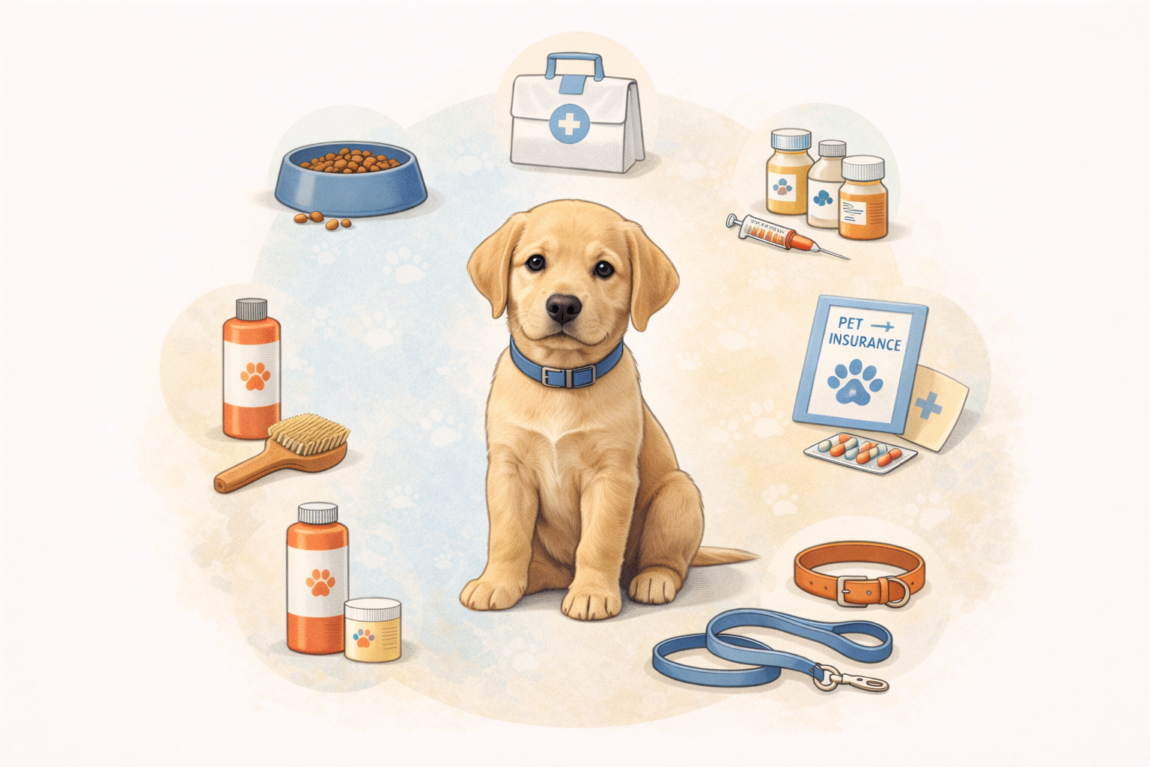
Part 3 – Remember These: Costs People Often Neglect to Consider (COMING SOON)
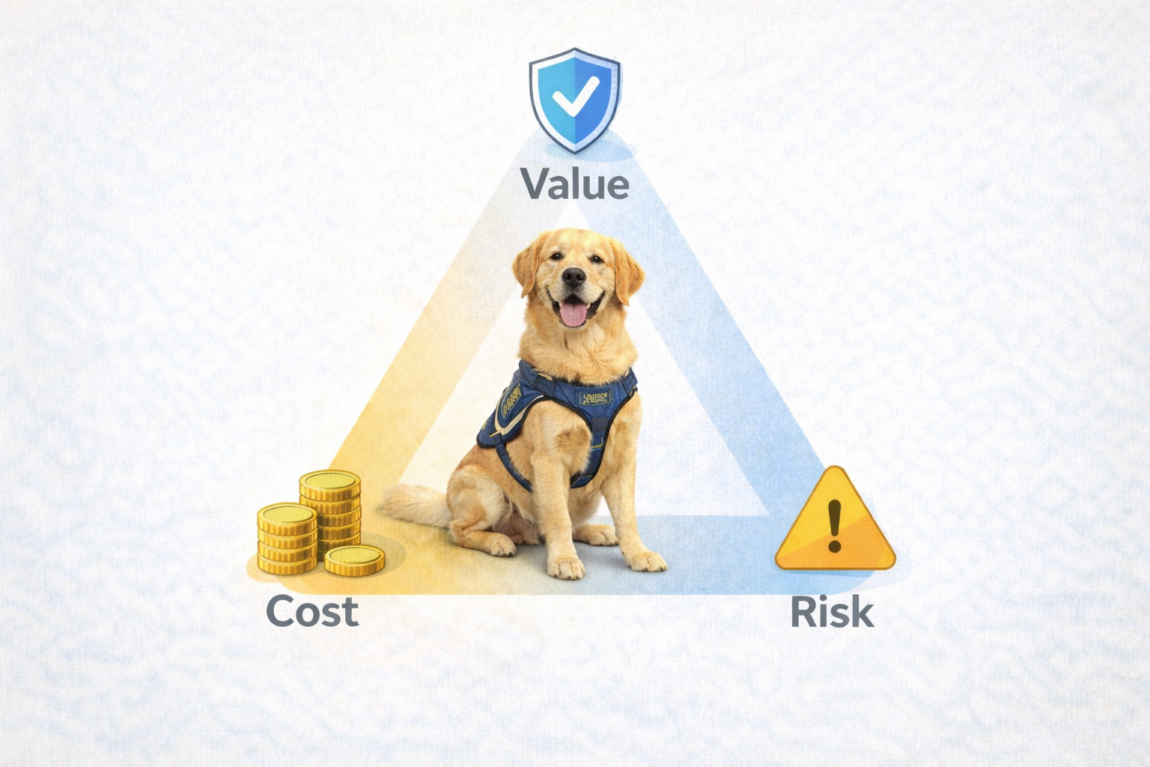
Part 4 – Service Dog Ownership: Examining Cost, Value, and Risk
We continue our series exploring the Cost, Risk, and Value in Service Dog Training. If you missed the previous parts, visit the series home page!
Last time we examined costs that people often forget to budget for when considering service dog ownership. This time, we take pause to look at costs of ownership through the lenses of Cost, Value, and Risk.
Cost is not just money spent; it is value gained and risk managed.
In Part 4 of our series, we step back and reinterpret ownership expenses through three essential lenses: cost, risk, and value. We explain how early investments protect long-term outcomes, why cutting corners increases uncertainty, and how many “savings” simply shift risk to later stages. This section reframes ownership costs as a form of risk management and value gathering.
We continue our series exploring the Cost, Risk, and Value in Service Dog Training. If you missed the previous parts, visit the series home page!
Last time we examined costs of ownership through the lenses of Cost, Value, and Risk. Now we turn to a discussion of four common routes of training a service dog.
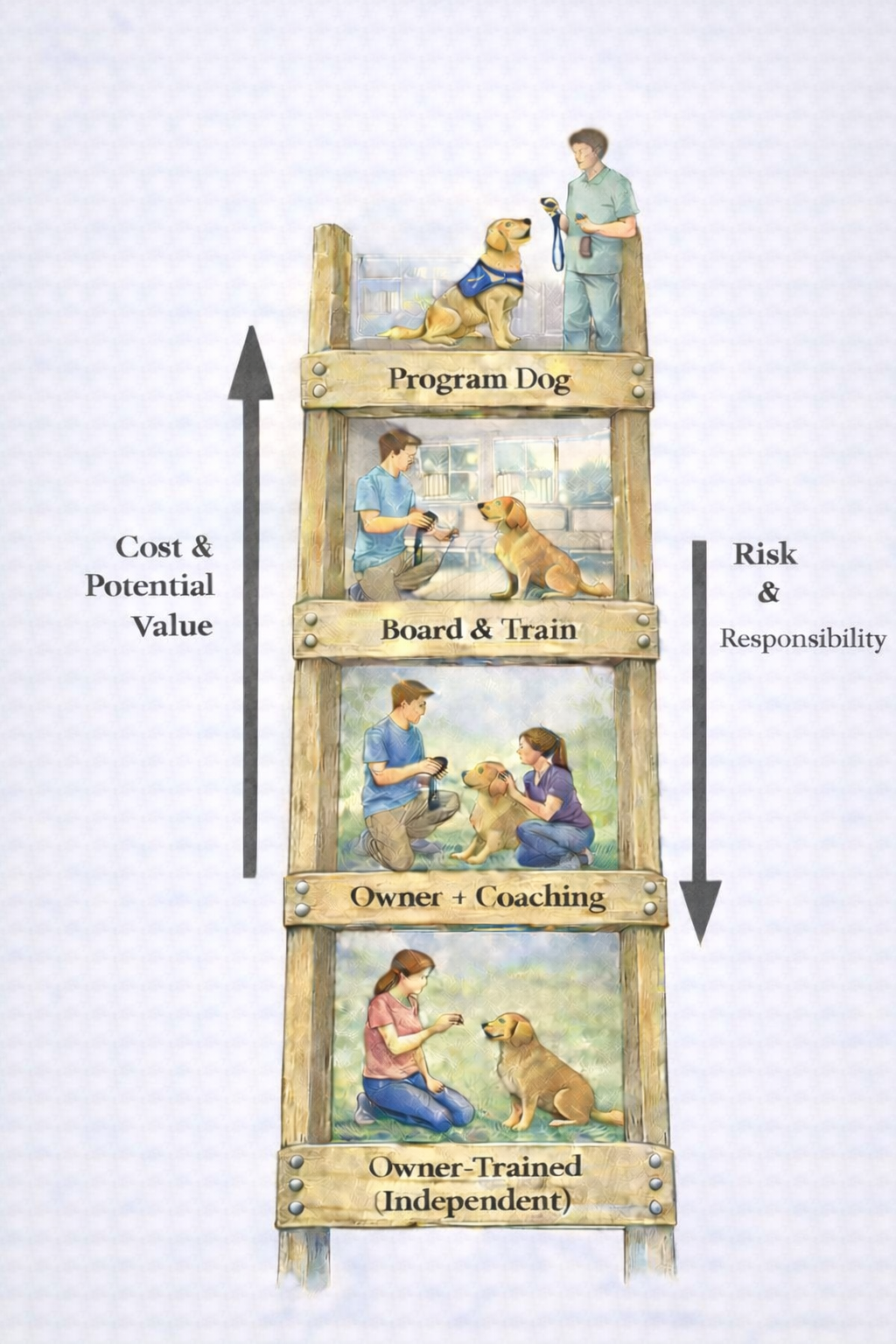
There is no single way to train a service dog, but not all paths demand the same level of responsibility, expertise, or risk tolerance. Some may be more likely to lead to better results. In Part 5 of our series, we break down the four most common training routes: independent owner training, owner training with coaching, board-and-train or co-raise programs, and trainer-raised program dogs. We explain what each path involves, who carries the burden when challenges arise, and why outcomes can differ.
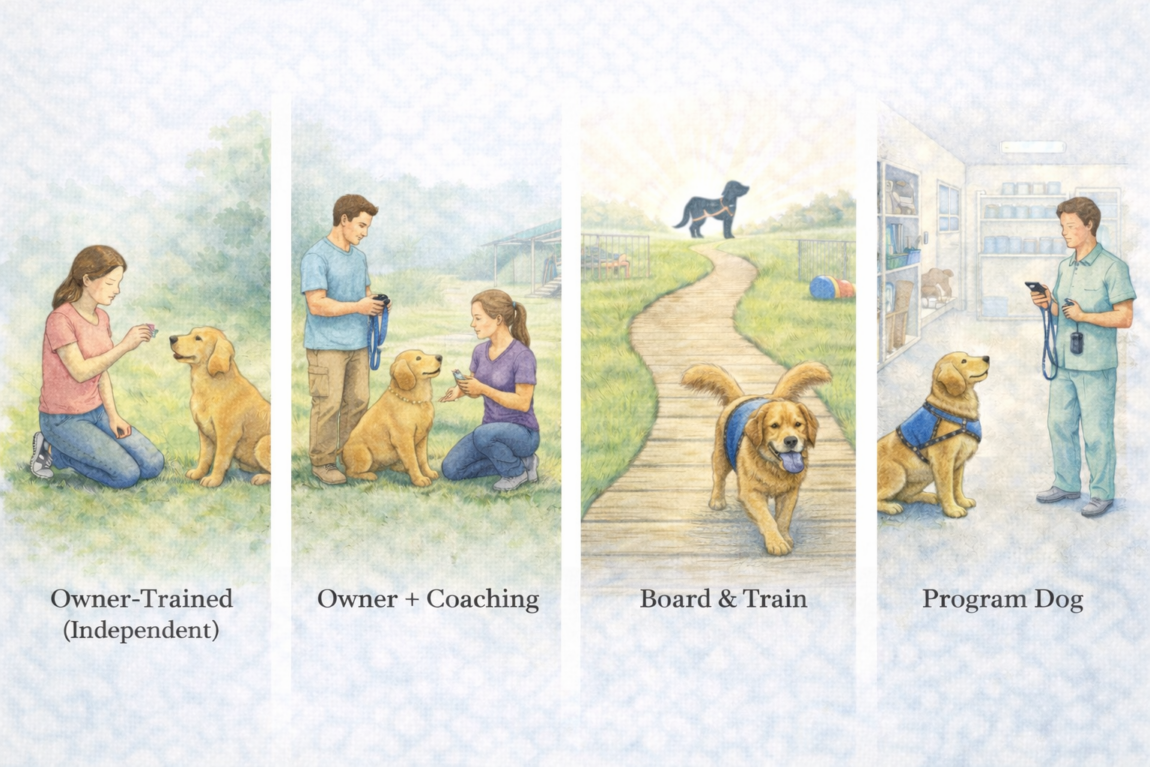
Part 5 – Training Paths Explained: Common Routes to a Service Dog

Part 6 – The Price You Really Pay: Balancing Factors in Deciding Service Dog Training Paths
We continue our series exploring the Cost, Risk, and Value in Service Dog Training. If you missed the previous parts, visit the series home page!
Last time, we focused on a discussion of four common routes of training a service dog. This time, we will compare each of these paths directly in terms of cost, risk, and value.
Why can two service dogs cost vastly different amounts? Because price reflects more than training time: it reflects where risk, responsibility, and expertise live.
In Part 6 of our series, we bring everything together to explain what people are actually paying for when they invest in different service dog options. This section demystifies pricing by showing how predictability, professional oversight, and long-term stability factor into cost.
We continue our series exploring the Cost, Risk, and Value in Service Dog Training. If you missed the previous parts, visit the series home page!
Last time, we compared different paths to train a service dog in terms of cost, risk, and value. This time we look at lifetime expenses after the dog completed the initial training and formally begins their working journey.
Graduation day for a service dog is not the end of the financial story: it’s the beginning of a long-term commitment.
In Part 7 of our series, we take a realistic 10+ year view of service dog ownership – breaking down feeding, healthcare, gear, training maintenance, enrichment, exercise, transportation, housing wear, and physical therapy. These costs are predictable, cumulative, and unavoidable. Understanding them is key to sustainable planning.

Part 7 – Lifetime Ownership Costs: The 10+-Year View
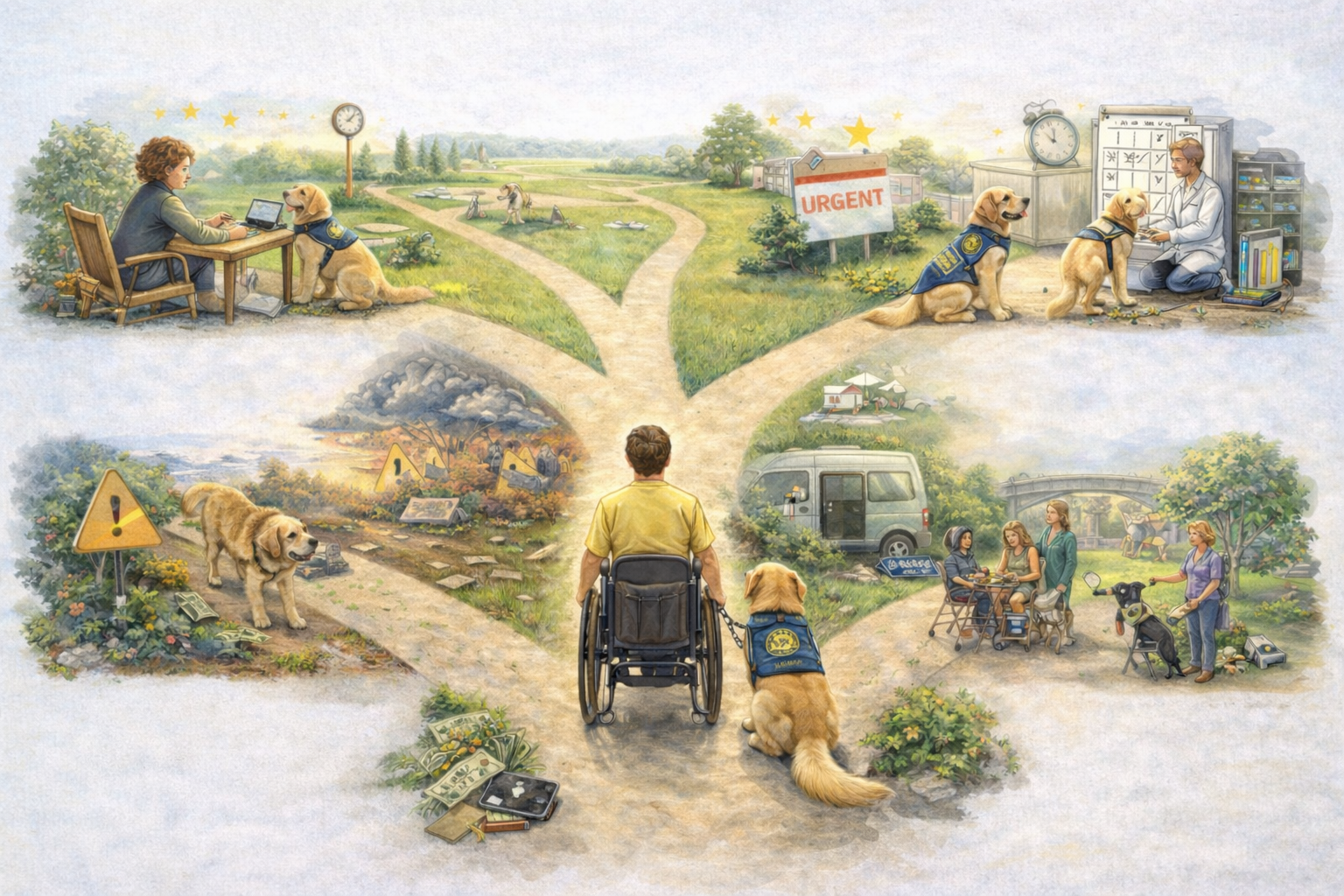
Part 8 – Choosing the Right Path: Questions to Ask Yourself
We continue our series exploring the Cost, Risk, and Value in Service Dog Training. If you missed the previous parts, visit the series home page!
Last time, we looked at lifetime expenses after the dog completed the initial training and formally begins their working journey. This time, we examine some questions that may guide people in making the choice of the right path for their journey training a service dog.
The “best” service dog path is not universal: it is personal.
In Part 8 of our series, we guide readers through the questions that matter most: time, energy, disability impact, desired level of excellence, task complexity, risk tolerance, and the role professional guidance can play. This section helps readers match expectations to reality, reducing frustration and increasing the likelihood of long-term success.
We continue our series exploring the Cost, Risk, and Value in Service Dog Training. If you missed the previous parts, visit the series home page!
Last time, we examined some questions that may guide people in making the choice of the right path for their journey training a service dog. This time we look at some ethics and transparency considerations about service dog training.
Ethical service dog work requires honesty about limitations and acknowledgement of bias in marketing.
In Part 9 of our series, we address what responsible programs won’t promise, why guarantees are red flags, the existence of scams in the industry, and why price alone is not proof of quality. We also discuss how to research organizations responsibly – beyond testimonials – seeking transparency, asking questions, and engaging directly.
Part 9 – Importance of Ethics and Notes on Transparency

Part 10 – Conclusion: There Is No “Cheap” Way to Do This Well
We continue our series exploring the Cost, Risk, and Value in Service Dog Training. If you missed the previous parts, visit the series home page!
Last time, we looked at some ethics and transparency considerations about service dog training. Now, as we conclude the series, we focus on key takeaways from the series.
Service dogs are not simple investments. They are incredibly valuable, but require careful considerations to increase odds of long-term excellence and reliability.
In Part 10 of our series, we bring it together and reinforce a central truth: doing this responsibly costs more than people expect and comes with risks, but it is worth the in value. Informed decisions protect both handlers and dogs and help unleash their best lives.
We sincerely hope you enjoyed this series and that it helped you understand why valuable service dogs can come with a high cost, and why mitigating risks are also an important consideration. As you embark or continue your journey into service dog training, we are here to help you!




Join Us in our Service Dog Training and Support Facebook Community.

Whether or not you are one of of past clients, network with other service dog handlers to find support, guidance, and resources to help you on your journey. Become a part of an awesome, positive community!

Follow the Unleashed Blog.

Read on testimonials of service dog handlers, learn about our podcast episodes, access mental health support and animal assisted therapy resources, and gain information about training of service dogs, therapy dogs, and emotional support dogs.














“The Price of Just Dog Ownership“
Before Anyone Says Training
COST, RISK, AND VALUE IN SERVICE DOG TRAINING SERIES
Part 2 – Baseline: Costs of Anyone Raising a Dog for Service Work
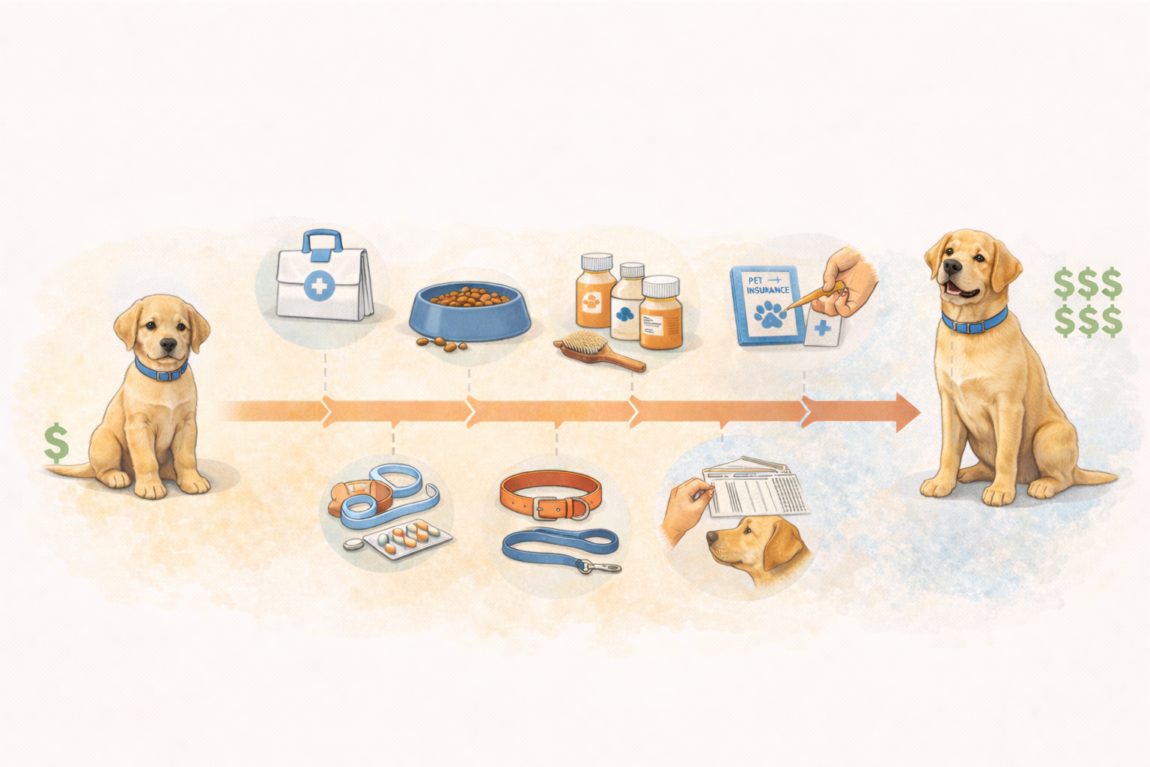
Regardless of how a service dog is ultimately trained, every successful service dog begins the same way: as a dog who must be responsibly chosen, raised, cared for, and supported through critical developmental stages. These baseline costs exist whether a dog is owner-trained or trained with professional assistance. Training choices add to this foundation, but they do not replace it.
One of the most common misunderstandings about service dog pricing is the assumption that training is the primary expense. In reality, some of the most significant and frequently underestimated costs occur before training even begins. The cost of ownership during the first year to year and a half of a dog’s life often represents a substantial financial investment on its own. This period includes not only routine care, but also the time when health screening, socialization, and early development play a critical role in determining whether a dog can safely and reliably perform service work.

- Acquiring a Service Dog Prospect is the first consideration. It is possible to train amazing service dogs when sourced from a variety of places. Nevertheless, securing a good prospect is the best way to start the journey right. Ethical service dog prospects are typically sourced from reputable breeders or programs that prioritize health, temperament, and early development. Dogs from these sources often cost several thousand dollars, commonly ranging from approximately $3,500 to $5,000. That price reflects extensive behind-the-scenes investment, including health testing and genetic screening of breeding dogs, structured early socialization and acclimation protocols, appropriate early veterinary care, deworming, and initial vaccinations. These practices are designed to reduce the risk of medical or behavioral issues that could end a service dog’s career prematurely.
- Nutrition and daily care form the most visible portion of this baseline. Quality food appropriate for growth and long-term health, supplements when recommended, and basic care supplies are ongoing necessities. Cutting corners in this area may reduce short-term expenses, but it can increase the likelihood of health issues that jeopardize a dog’s ability to work later.

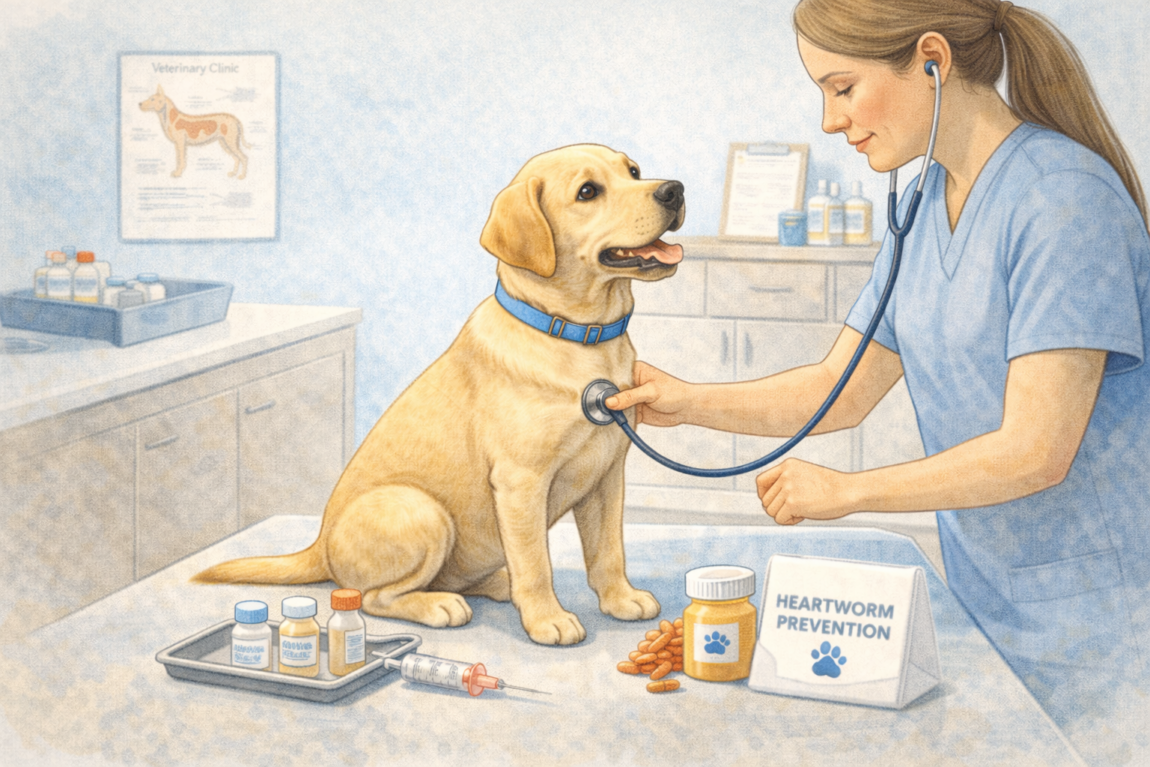
- Veterinary care is another unavoidable component. Puppies and young dogs require routine examinations, vaccinations, parasite prevention, spay or neuter procedures where appropriate, and ongoing wellness care as they mature. For dogs being considered for service work, many handlers and programs also pursue additional health screening to reduce the risk of orthopedic or genetic conditions that could end a working career early.
- Early development and exposure also carry real costs. Proper socialization involves structured exposure to environments, surfaces, sounds, people, and other animals. This often requires travel, equipment, and intentional planning. This phase lays the groundwork for public access reliability later and is not optional for dogs expected to work safely in public spaces.

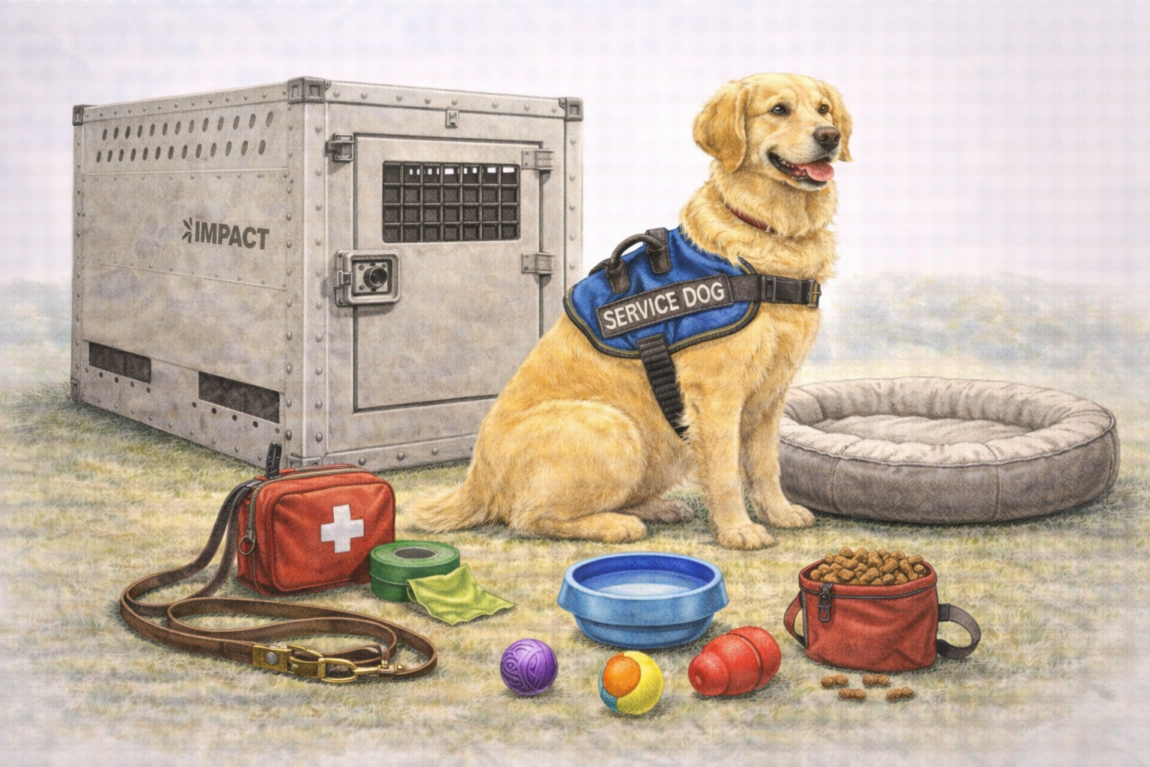
- Equipment and working gear are another baseline expense that applies even during training. Service dogs-in-training require appropriate collars, harnesses, leashes, long lines, crates, beds, enrichment tools, identification gear, and eventually task-appropriate equipment as their training progresses. As dogs grow, many of these items must be replaced or resized, adding to the overall cost. In addition to everyday gear, handlers often invest in training-related equipment such as treat pouches, food rewards, engagement tools, and environmental aids that support learning and safe management in public. While individual trainers may supply some specialized tools, the responsibility for basic working gear usually falls on the owner or program. These costs are a normal and necessary part of preparing a dog for reliable service work, regardless of who provides the training.
These baseline expenses are not optional upgrades; they are the minimum requirements for responsibly raising a dog with the potential for service work. When these costs are underestimated or ignored, the risk of washout, burnout, or health-related failure increases significantly.
Before we discuss some estimate numbers, a few additional considerations are important:
- These estimates are based on data collected between 2023-2025 in Colorado. Costs may vary substantially based on location and do change over time.
- Estimates reflect costs associated with the first 21 months of service dog ownership and are applicable to any training path chosen.
- As we discuss in later parts, this is not a fully inclusive budget and it does not include any costs associated with hiring professional help for service dog training.
- Costs may vary substantially depending on factors such as breed, location, time, and how much support from a professional is included.
- Owners should think of these estimates as the lower end of possible costs associated with these categories. Basically, these are costs “starting at…”
With that said, here are some estimated costs for some of the items discussed above:
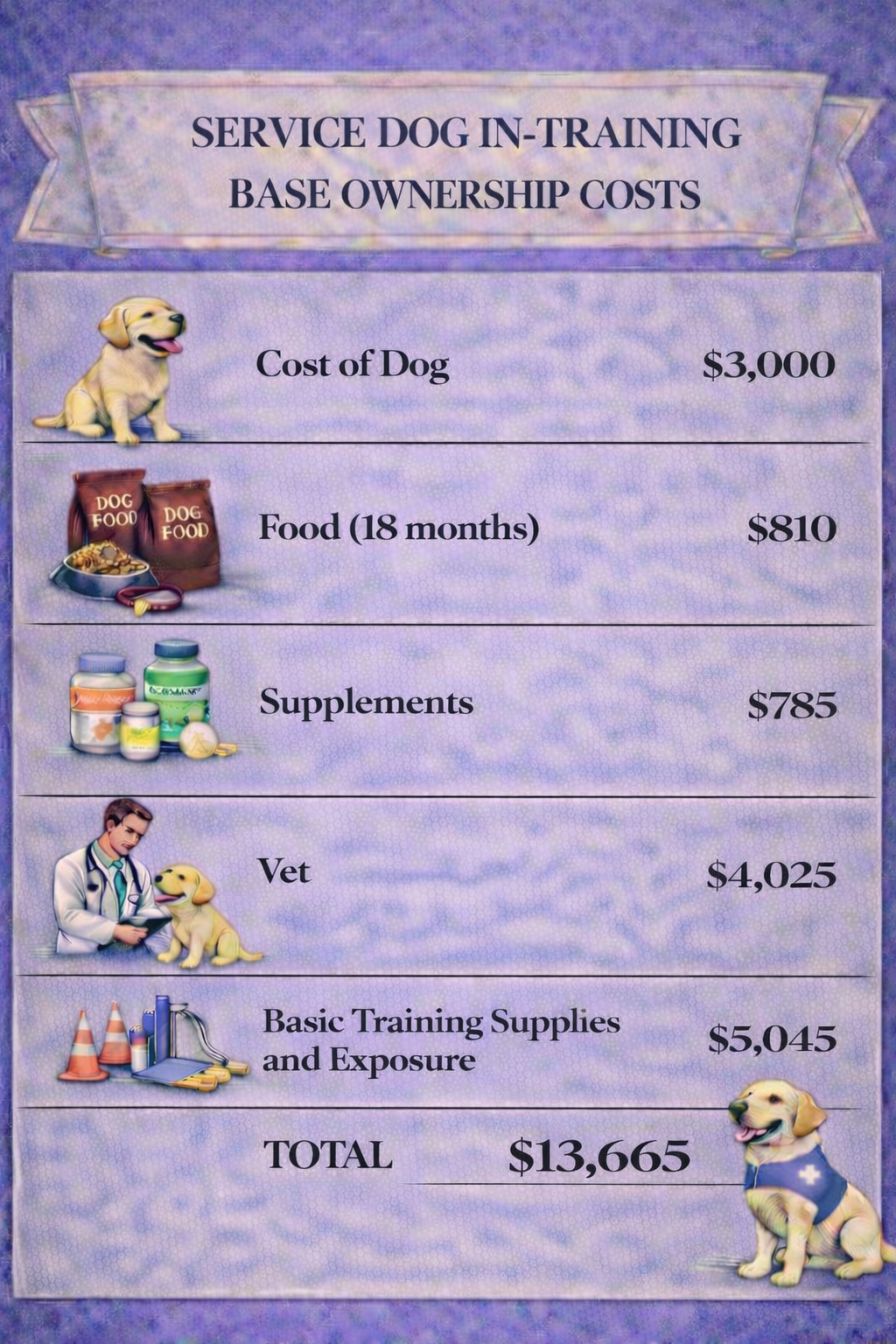
Note that while estimates above account for about 21 months, many service dogs training periods extend to 24 months or longer.
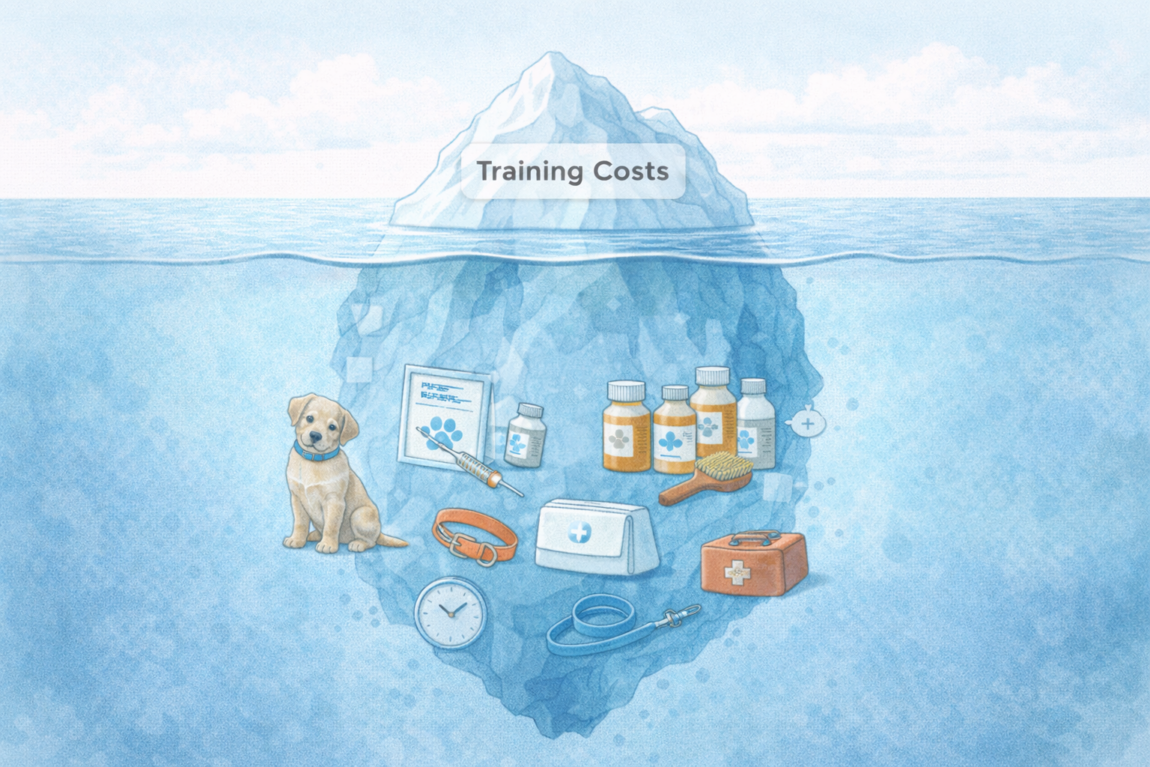
Understanding these shared costs provides an essential reference point. Once the baseline is clear, it becomes easier to evaluate how different training paths change not only the price, but also the distribution of time, expertise, and risk.
In the next section, we will look at expenses that are commonly left out of initial budgets, including costs that continue to affect service dog teams long after the early training period has begun.
If you missed previous part of the series, catch it here: Part 1 – Setting The Scene: Reasons Why Service Dog Costs Are So Hard to Compare
Find the series home page with links to all published parts here.
Join Us in our Service Dog Training and Support Facebook Community.
Whether or not you are one of of past clients, network with other service dog handlers to find support, guidance, and resources to help you on your journey. Become a part of an awesome, positive community!
Follow the Unleashed Blog.
Read on testimonials of service dog handlers, learn about our podcast episodes, access mental health support and animal assisted therapy resources, and gain information about training of service dogs, therapy dogs, and emotional support dogs.
“What Do Service Dogs Really Cost?“
Discover Why Answers Are All Over the Place When You Compare
COST, RISK, AND VALUE IN SERVICE DOG TRAINING SERIES
Part 1 – Setting The Scene: Reasons Why Service Dog Costs Are So Hard to Compare
If you have ever tried to research the cost of a service dog, you have likely encountered numbers that seem wildly inconsistent. One source may focus only on training fees, while another references figures in the tens of thousands of dollars for a trainer-raised program dog. This wide range can be confusing, especially for people who are early in the process and trying to understand what those numbers actually represent.
However, service dog costs can be difficult to compare because people are often talking about very different things when they talk about “price.” Some are referring only to training fees. Others include the cost of raising and caring for a dog over time. Still others are factoring in risk, predictability, and who carries responsibility when something goes wrong. Without clear definitions, comparisons quickly become misleading.
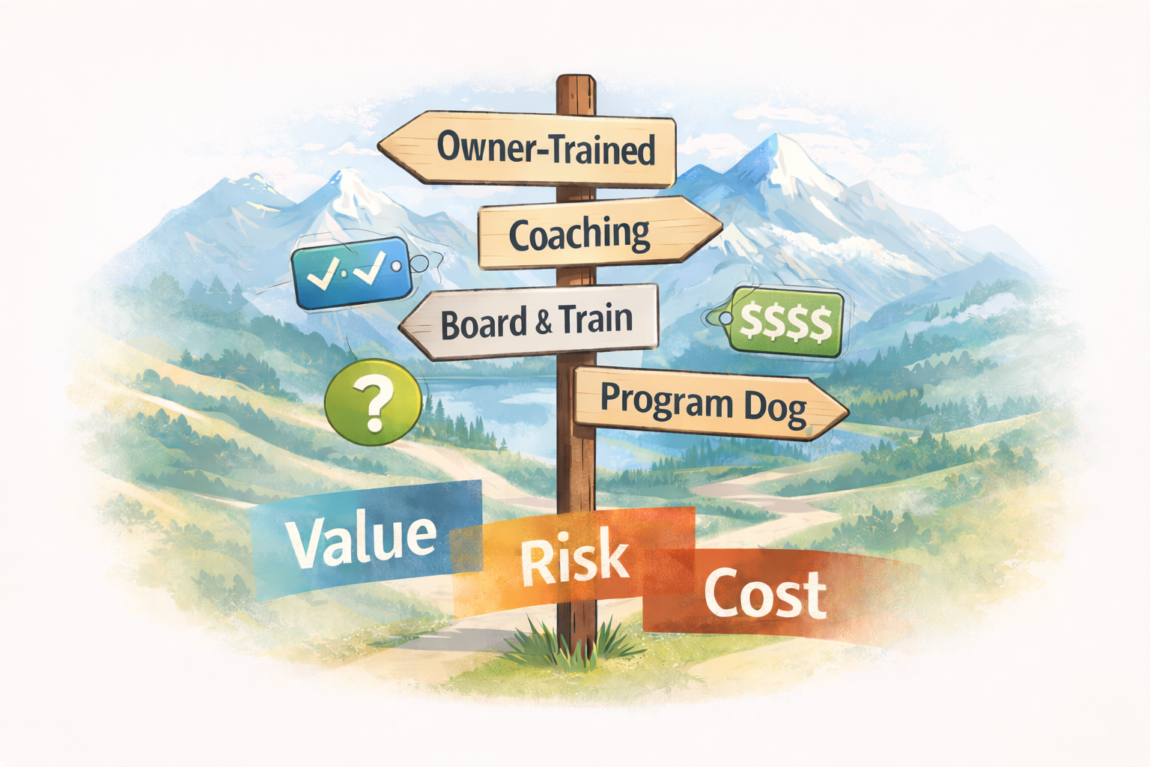
Another reason service dog pricing is hard to pin down is that there is no single, standardized path to a trained service dog. In the United States, service dogs may be owner-trained, trained with professional coaching, trained through board-and-train or co-raise programs, or raised and trained by mainly by professionals. Each of these routes involves different time commitments, different financial obligations, and different levels of expertise guiding the process.

At the same time, the prevalence of extremely low or “bargain” pricing for service dogs should raise serious questions. In a field that requires extensive training, careful candidate selection, ongoing care, and professional oversight, there are real limits to how inexpensive ethical, effective service dog training can be. When a service dog is offered at a price point that does not realistically account for those factors, the risk to the handler is significantly higher.
Unfortunately, the service dog industry is not immune to misinformation, unrealistic promises, or outright scams. One of the goals of this series is to help protect not only our own clients, but the public in general. We seek to explain what actually goes into the cost of a service dog. With clear information, readers are better equipped to recognize when pricing reflects genuine investment; and when it may signal corner-cutting, inflated claims, or outcomes that are unlikely to meet a handler’s needs.
This series is not intended to argue that one training path is universally better than another. Dogs trained through different methods can reach equally high levels of skill and reliability. What does differ is how likely that outcome is, how long it takes to achieve, and who bears the financial and emotional cost if a dog does not ultimately succeed as a service dog.
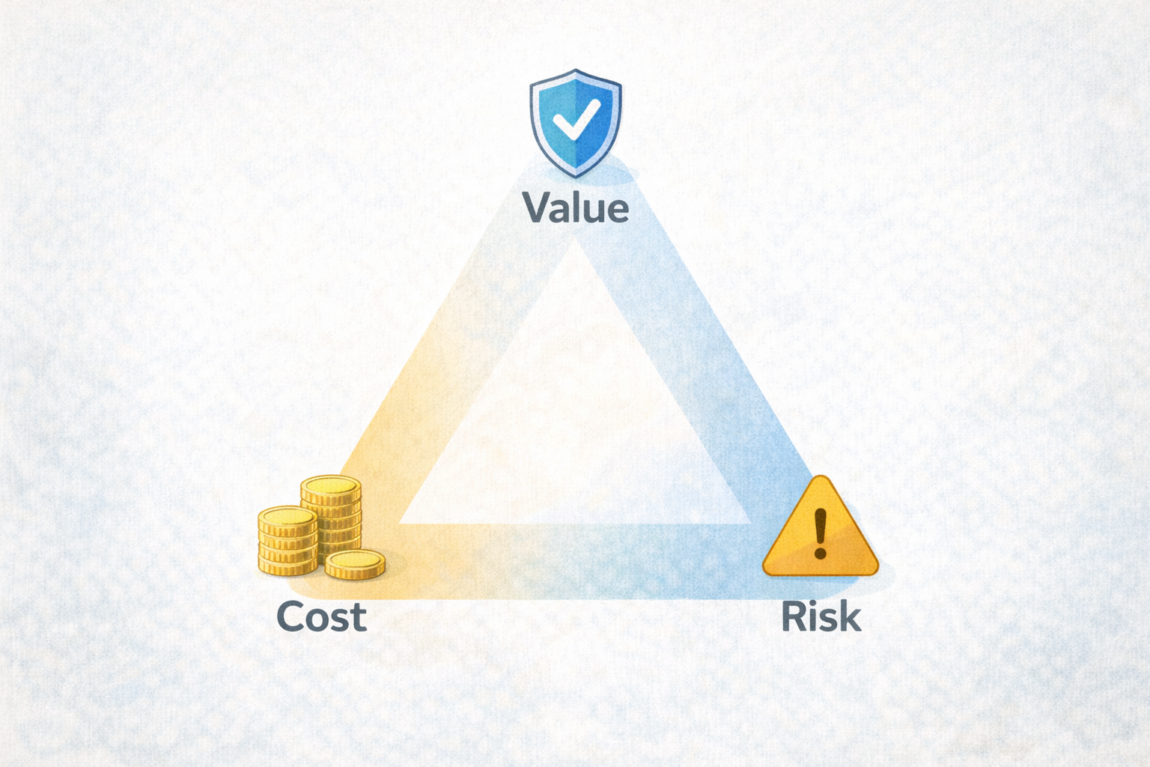
To make sense of service dog pricing, it helps to separate three concepts that are often blended together:
- Cost: The direct financial expenses involved, including care, equipment, and training. Plus time, effort, and difference in experiences.
- Risk: Who carries responsibility if a dog does not ultimately succeed as a service dog. Plus possibilities associated with health, accidents, and boarding
- Value: What those expenses provide in terms of expertise, structure, and support.
By breaking these elements apart and looking at them over both the short and long term, it becomes much easier to understand why service dog costs vary so widely; and why the least expensive option on paper is often not the least costly in practice.
As we embark on a journey to understand the costs of service dog training, we will keep an eye on these different facets.
In the sections that follow, we will start with the baseline costs that apply to nearly everyone raising a service dog. Later we will explore how expenses change depending on the training path chosen, and finally look at the long-term financial realities of living and working with a service dog over its full working life.
See you there: Part 2 – Baseline: Costs of Anyone Raising a Dog for Service Work
If you missed the series overview that come before Part 1, catch it here: Service Dog Training – Costs Borne and Risks Taken When Searching for Value.
Find the series home page with links to all published parts here.
Join Us in our Service Dog Training and Support Facebook Community.
Whether or not you are one of of past clients, network with other service dog handlers to find support, guidance, and resources to help you on your journey. Become a part of an awesome, positive community!
Follow the Unleashed Blog.
Read on testimonials of service dog handlers, learn about our podcast episodes, access mental health support and animal assisted therapy resources, and gain information about training of service dogs, therapy dogs, and emotional support dogs.
Service Dog Training
Costs Borne and Risks Taken When Searching for Value
COST, RISK, AND VALUE IN SERVICE DOG TRAINING SERIES

Series Overview
“How much does a service dog cost?” is one of the most common questions people ask; and one of the hardest to answer honestly. Online, you’ll see numbers ranging from “surprisingly affordable” to tens of thousands of dollars. The problem isn’t necessarily that people are dishonest: it is that they’re often talking about completely different things.
The true cost of a service dog is not just a price tag. It is the cumulative result of ownership responsibilities, training structure, professional expertise, long-term care, and how much risk is carried by the handler versus professionals. Understanding that distinction is essential for making informed, ethical decisions.
Speaking of ethics, before going further, it is important to be explicit about the intent of this series. My Life Unleashed is a business that provides professional services for service dog training, including:
- Assistance with service dog prospect procurement and evaluations
- Service dog training consultation and evaluation services
- Coaching support through individualized lessons (in person or virtual)
- Board-and-train or co-raise programs
- Trainer-raised program dogs
- Service dog training seminars for trainers and handlers

However, this series is not written to justify our pricing or to persuade readers to choose a particular training path. It is written for the general public and for anyone considering a service dog. We hope this helps you whether or not you ultimately decide to work with us, another trainer, a different program, or pursue owner training independently.
Our commitment throughout this series is transparency. Service dogs represent a major financial, emotional, and logistical commitment, and people deserve clear, honest information before deciding whether and how to pursue one. We believe ethical practice in this field requires acknowledging the real costs involved, the variability between training paths, and the responsibilities placed on handlers, trainers, and programs alike.
Now… onto the good stuff…
The Baseline Cost That Everyone Training a Service Dog Shares
Before training even enters the conversation, owning a dog capable of service work already comes with significant responsibility and expense. Food, routine veterinary care, insurance, equipment, grooming, and basic supplies are not optional. These costs apply regardless of whether a dog is owner-trained or trained trained with professional assistance.
Early development matters as well. Ethical service dog prospects are typically sourced from reputable breeders or programs that prioritize health testing, temperament, and early socialization. Acquiring a suitable candidate alone can cost several thousand dollars, reflecting genetic screening, early care, vaccinations, and structured exposure. Many teams also invest in professional temperament evaluations to reduce the risk of training a dog who is unlikely to succeed.
These are not “luxury upgrades.” They are foundational investments that increase the likelihood of long-term success.
The Costs People Forget
Many service dog owners forget to factor in additional, but important costs. Early puppy obedience classes, insurance, grooming, replacement equipment, and emergency care are often omitted from budgets because they don’t look like “training costs.”
Over time, these expenses add up; and ignoring them increases risk later.
Ownership costs function less like a one-time purchase and more like ongoing risk management.
Skipping early investments doesn’t eliminate cost; it usually delays it until the consequences are more severe.
Training Paths
There is no single way to train a service dog. The most common paths include independent owner training, owner training with professional coaching, board-and-train or co-raise programs, and trainer-raised program dogs. Each route can produce capable service dogs, but they distribute responsibility, expertise, and risk very differently. They may also come with different added value.
Owner training often has the lowest direct training fees, but it places nearly all responsibility on the handler. Success depends heavily on the handler’s experience, time, and ability to recognize gaps they may not yet know exist. Mistakes made early can be difficult or costly to correct later. However, the process can be incredibly rewarding and successful.
Coaching models add professional guidance, helping handlers apply skills correctly, troubleshoot earlier, and identify appropriate tasks. While increasing cost, these programs often improve training quality and efficiency while keeping the handler actively involved.
Board-and-train or co-raise programs shift more labor to professionals, offering intensive daily training by experts. They tend to cost more and require careful transition back to the handler, but they can accelerate progress for specific stages of training.
Trainer-raised program dogs represent the highest upfront cost, but also the greatest predictability. Dogs are raised and trained by professionals over extended periods, often living in an expert’s home environment. Program dog plans absorb significant risk related to candidate selection, washouts, health issues, and training setbacks. They also can include health testing, spay/neuter, transition training, and ongoing support.
No path is inherently “better.” The right path is the one that aligns with a handler’s needs, capacity, timeline, and tolerance for uncertainty.
Cost, Risk, and Value
Price alone does not explain service dog costs.
Value comes from training quality, consistency, and durability.
Risk reflects who bears the consequences if things go wrong.
Lower upfront cost often means higher personal risk.
Higher upfront cost often reflects risk being managed or absorbed by professionals. Understanding this tradeoff helps explain why prices vary so widely and why “cheap” options can become expensive over time.
Lifetime Ownership: The 10+ Year View
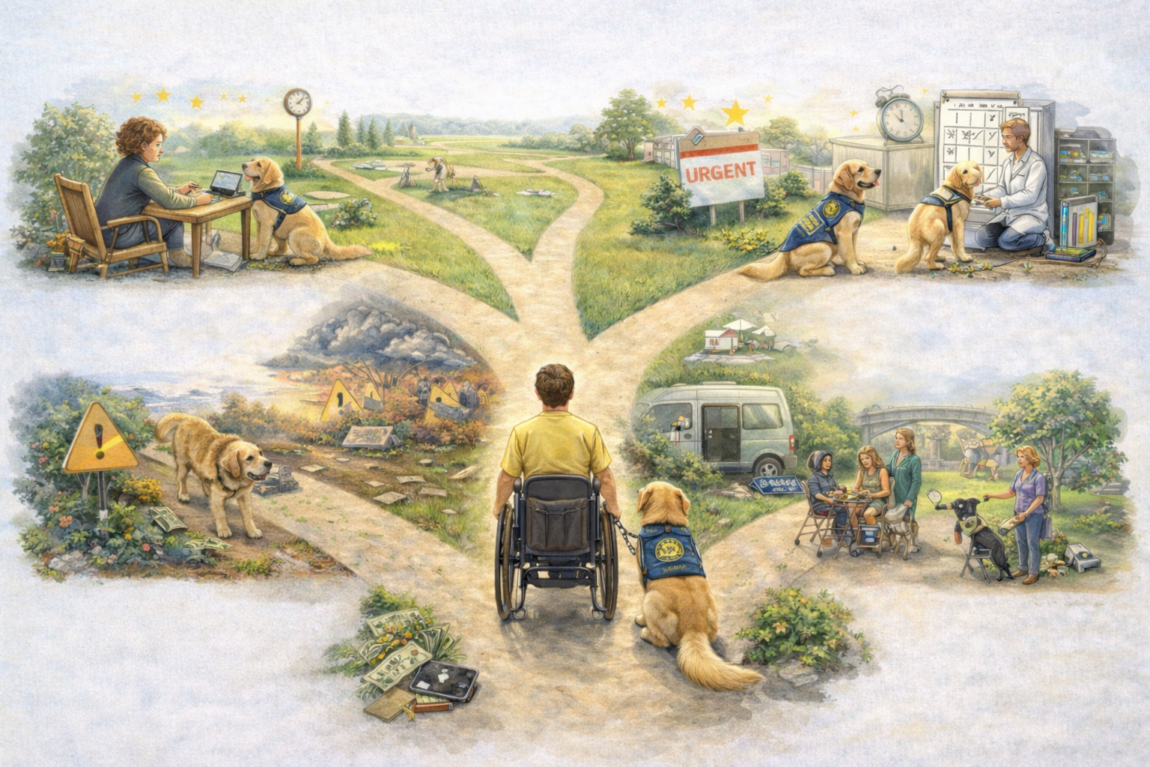
Training is only the beginning. Over a service dog’s working life, handlers must plan for feeding, healthcare, supplements, grooming, gear purchase and replacement, ongoing training, enrichment, exercise, transportation needs, housing wear, and sometimes even physical therapy.
Individually, these costs may seem manageable.
Collectively, they represent a long-term commitment that must be planned for realistically. Service dogs are not one-time purchases; they are sustained partnerships.
Choosing the Right Path

There is no universal “best” option.
The most responsible choice depends on time, energy, disability impact, desired level of excellence, task complexity, and how much professional guidance is needed.
Some handlers require highly complex task work or support for multiple disabilities. Others need extreme reliability across environments.
Higher expectations generally require more training time, expertise, and investment. Professional trainers can play a critical role not only in training skills, but in helping handlers identify which tasks will be most useful—something many people don’t yet know when they begin.
Transparency and Ethical Reality Checks
No ethical program can guarantee outcomes.
Scams exist, and price alone is not proof of quality. Responsible selection of programs and trainers requires more than reading testimonials. It involves asking the hard questions, and seeking transparency. Speaking directly with organizations to ask pointed questions is a good place to start. You can learn a lot about programs from the expertise shown during intake. Social media and reviews can also be a great place to find testimonials.
It’s also important to acknowledge bias. Organizations that provide service dog training, including ours, have a vested interest in this field. While education and transparency are the goal, readers should always consider context and engage critically with any information found online. Open discussion and accountability are essential, as is client investment of effort and time to vet options.
The Bottom Line

There is no cheap way to do this well. But there is an informed way.
We will discuss this throughout this series.
A service dog is an investment in excellence, reliability, and long-term value.
When decisions are made with realistic expectations, ethical standards, and thoughtful planning, both handlers and dogs are protected. That, not the lowest price, is what true value looks like.
Unleashing a better life with a well trained service dog is within the grasp of those that consider costs and risks carefully.
The value can be yours.
Stick with us as we take a deeper dive into these topics over the next few weeks! In the first part, we will discuss reasons why service dog costs are hard to compare.
See you there: Part 1 – Setting The Scene: Reasons Why Service Dog Costs Are So Hard to Compare
Find the series home page with links to all published parts here.
Join Us in our Service Dog Training and Support Facebook Community.
Whether or not you are one of of past clients, network with other service dog handlers to find support, guidance, and resources to help you on your journey. Become a part of an awesome, positive community!
Follow the Unleashed Blog.
Read on testimonials of service dog handlers, learn about our podcast episodes, access mental health support and animal assisted therapy resources, and gain information about training of service dogs, therapy dogs, and emotional support dogs.
